Insights From Healthcare Experts
Aesculap experts know sterile processing and perioperative workflows. Their insights below can help you and your facility Operate with Greater Precision™.
Explore Our Recent Blog Posts
Why Culture Change in Sterile Processing Is Never ‘One and Done’
Improving culture in a sterile processing department (SPD) is not something you simply check off a list. Without consistent attention, even meaningful progress can slowly drift. In this blog, Christina Carpentier, Sterile Processing Manager at Seattle Children’s Hospital, reflects on why culture change in SPD is never “one and done.” From early wins to subtle signs of backsliding, she shares how staying present, re‑engaging teams and reopening communication loops helped keep momentum alive during times of operational pressure. Sustainable culture change requires ongoing leadership, honest dialogue and a willingness to course-correct before small issues become bigger setbacks. Read more.
How Psychological Safety Changed the Way My Sterile Processing Team Works
In sterile processing, silence can have real consequences. Teams need to feel safe speaking up before pressure hits, not after something goes wrong. In this blog, Christina Carpentier, Sterile Processing Manager at Seattle Children’s Hospital, shares how building psychological safety changed the way her sterile processing department (SPD) team worked. From technicians raising concerns early, to leaders owning mistakes and turning them into learning moments, trust became the foundation for stronger collaboration and better outcomes. Psychological safety is not about avoiding conflict. It’s about creating an environment where people can be honest, accountable and proactive in protecting patient care. Learn more.
Changing Sterile Processing and Operating Room Perceptions Through Data and Dialogue
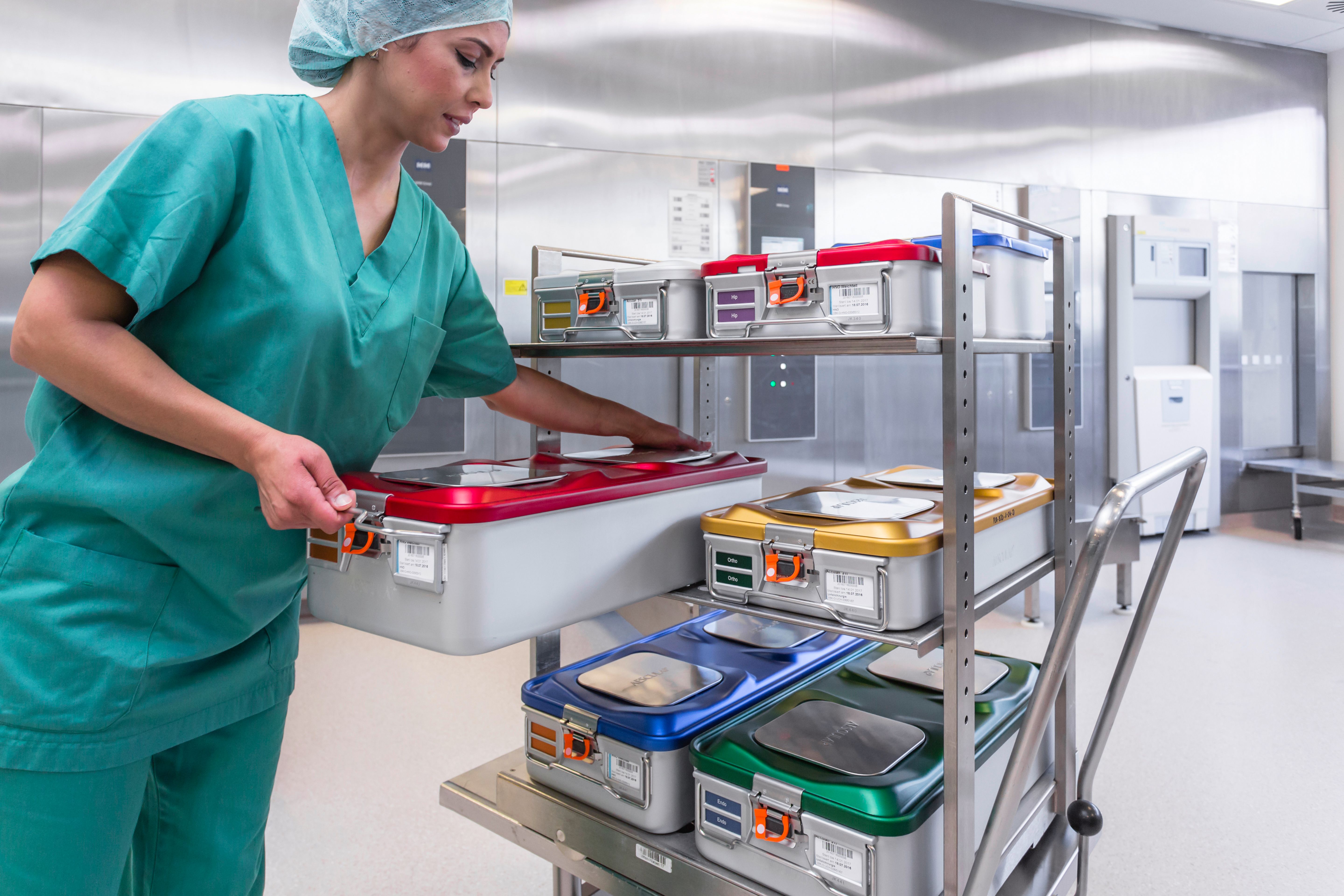
When operating room (OR) and sterile processing department (SPD) teams rely on assumptions instead of facts, it can lead to distrust, blame and communication breakdowns. Shared data between departments can change that dynamic. In this blog, Christina Carpentier, Sterile Processing Manager at Seattle Children’s Hospital, shares how using shared defect data, timelines and process visibility helped shift conversations between SPD and OR teams from assigning blame to solving problems. By aligning on a common, fact-based view and reviewing it together, both teams gained clarity, accountability and a stronger sense of partnership. Data became a tool for dialogue, not division. Learn more.
How I Started to End the Blame Game in Sterile Processing and Operating Room Relationships
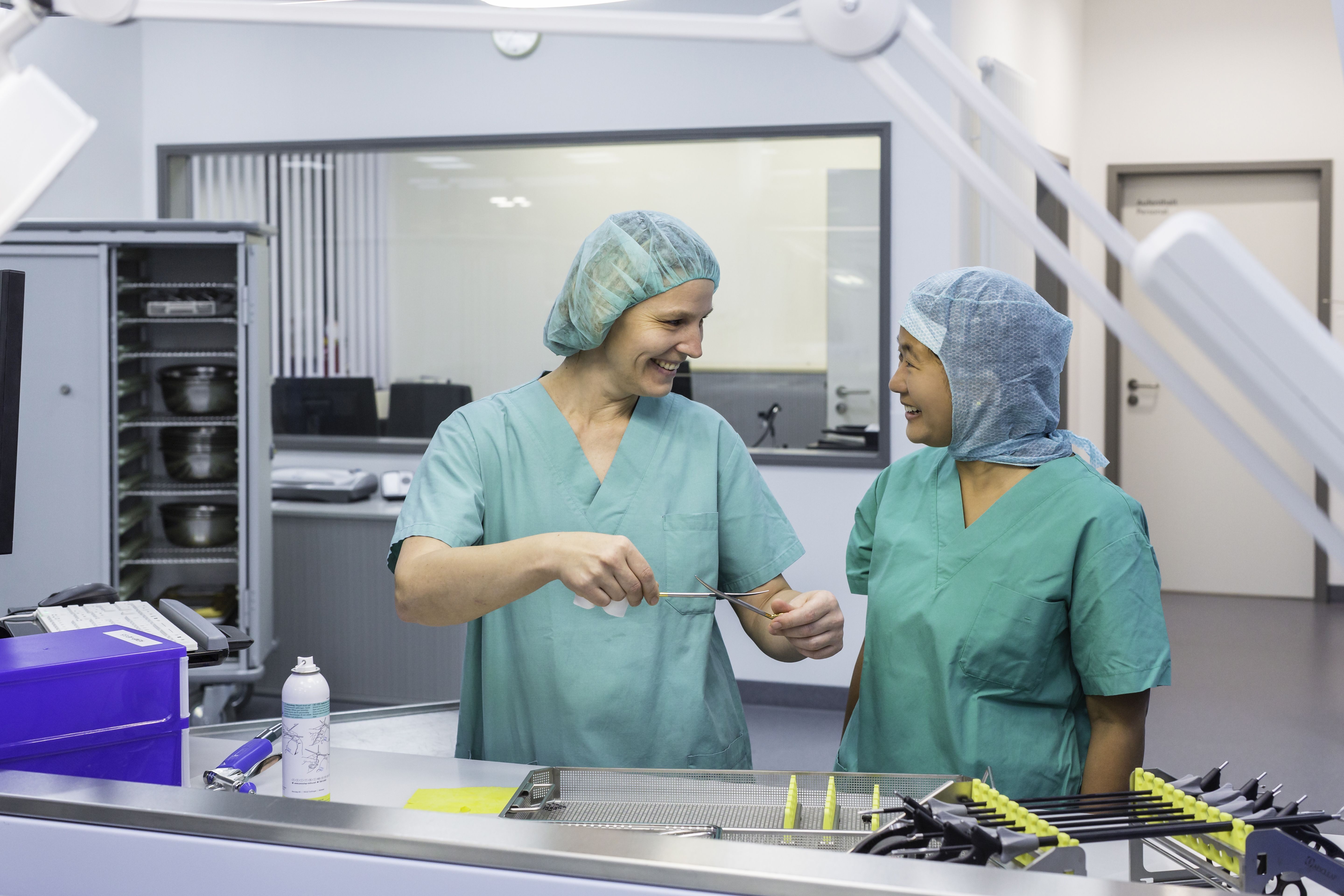
Operational challenges between sterile processing departments (SPD) and the operating room (OR) don’t happen overnight, and they don’t have to be permanent. In this blog, Christina Carpentier, Sterile Processing Manager at Seattle Children’s Hospital, shares how small, intentional actions helped rebuild trust, improve communication and shift teams from assigning blame to fostering collaboration. From showing up consistently to grounding conversations in shared data, these lessons offer a practical roadmap for leaders working toward stronger SPD and OR relationships. Learn more.