
Stronger Hospital Outcomes Begin with Elevating the Role of the Sterile Processing Department
By Jennifer Greisen
In brief:
- The sterile processing department (SPD) is the hospital’s hub, with every surgical outcome tied to how well instruments are processed.
- Leaders can take 10 clear actions to elevate the SPD’s role and improve patient safety and efficiency.
The SPD is more than just a back-end support team. It’s the hospital’s hub, with every surgical outcome dependent on the instruments that pass through it. Every new case, procedure or surgical expansion flows through the SPD. Without a strong hub, even the most advanced operating room (OR) can be slowed by missing instruments, delayed turnovers and safety risks. When the SPD is positioned and supported as a strategic partner, workflows and surgical teams are positioned to work faster, safer and with greater confidence in their sterile processing team.
10 actions to elevate SPD outcomes
Here are ten specific actions SPD leaders can take to build influence, improve operations and drive better hospital outcomes:
1. Speak up early and often
Don’t wait until problems arise. Proactively share the SPD’s perspective in conversations about surgical scheduling, equipment purchases or process changes, emphasizing how decisions can impact patient safety and instrument availability.
2. Build cross-department bridges
Schedule regular touchpoints with infection prevention, risk management and clinical leadership. Walk them through SPD workflows so they see the challenges firsthand.
3. Get a seat at the table
Ask to be formally included in all value analysis committee meetings that review medical devices requiring SPD reprocessing. Review proposed devices in advance, provide turnaround time estimates and highlight any processing limitations before purchases are made.
4. Bring solutions, not just concerns
When raising issues, like a device requiring long soak times or specialized sterilization, present alternatives—such as workflow adjustments, new equipment or vendor education—to position the SPD as a problem-solver, not a gatekeeper.
5. Educate often
Offer in-services for OR staff, residents and leadership to explain the SPD’s role, from Manufacturer Instruction for Use (MIFU) compliance to why “shortcuts” can risk patient safety. The more others understand, the more they’ll place a higher value on the SPD’s expertise.
6. Plan with precision
Develop and maintain a dynamic “needs list” of equipment, consumables and upgrades. Include projected costs and vendor lead times so leadership has a clear roadmap for budget planning, addressing backorders and projecting new procedures or technology.
7. Enforce Manufacturer’s Instructions for Use (MIFU)
Advocate that no new instrument or device enters circulation until the SPD confirms it can be safely reprocessed per the MIFU. Track approval timelines and communicate them hospital-wide to set expectations.
8. Establish transparent schedules
Publish the SPD’s hours of operation and typical turnaround times. Share these regularly with procedural departments to align expectations and minimize conflict.
9. Build a proactive production workflow, not a reactive one
Don’t let the SPD’s work be dictated entirely by fluctuating OR schedules. Establish a production-style workflow that keeps instruments moving at a steady pace. Use tactics like workload leveling and dedicated staging areas. Enforce the use of instrument tracking systems to reduce interruptions and proactively address obstacles that disrupt flow.
10. Celebrate the wins
Recognize achievements, highlight team contributions and create a culture where SPD staff feel pride in their role. A motivated, engaged team is better equipped to innovate and maintain a high-functioning hub.
When the SPD is elevated from a reactive support function to a proactive operational partner, the ripple effects are felt across the entire hospital. From safer surgeries to smoother workflows, the benefits of investing in sterile processing are both immediate and long-term. By taking these ten actions, leaders can build a stronger, more resilient hub at the center of surgical care—one that drives performance, fosters collaboration and ultimately improves outcomes for every patient who enters the OR.
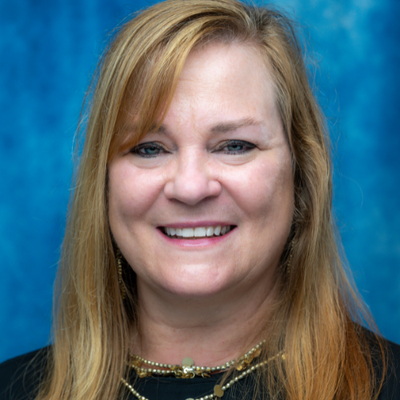
Jennifer Greisen, Principal, Strategic Solutions
Jennifer Greisen leads national initiatives focused on SPD centralization and enterprise-wide transformation within complex health systems. With over 30 years of experience in the medical-surgical device and FDA-regulated industries, Jennifer brings extensive expertise in surgical reprocessing, operational optimization and process design. Known for her collaborative approach and commitment to quality, Jennifer is passionate about building solutions that drive measurable impact for health systems and patients alike that stand the test of time.